How Often Should You Change HVAC Filters in Allergy Season at Home
June in Whitby and across Durham Region means open windows, backyard gatherings, and a spike in seasonal allergens like tree pollen, grass pollen, and dust stirred up by spring cleaning. If anyone in your household deals with sneezing, itchy eyes, or nighttime congestion, your HVAC filter can make a noticeable difference in indoor comfort. The big question is: how often should you change HVAC filters in allergy season at home?
Below is a practical, locally focused guide from Lazzaro Gas HVAC to help homeowners in Whitby, Oshawa, Ajax, Pickering, Clarington, and surrounding communities stay comfortable as we head into summer.
Why Filter Changes Matter More In June
Your HVAC filter is designed to trap particles moving through your return air ducts. During allergy season, the filter can load up faster due to increased airborne debris, including pollen tracked in from outside, construction dust, pet dander, and general household dust.
A clogged filter can:
- Reduce airflow, making your AC work harder as temperatures rise
- Increase energy use and shorten equipment lifespan
- Allow more irritants to circulate through your home
- Contribute to uneven cooling and stuffy rooms
In June, many families switch from heating to cooling. That transition is the perfect time to check your filter and set a schedule that matches your home’s needs.
How Often Should You Change HVAC Filters During Allergy Season?
For most homes in Whitby and the Durham Region, a good allergy-season baseline is every 30 days. However, the “right” frequency depends on filter type, system runtime, and indoor air quality factors.
A simple rule of thumb for allergy season:
- Every 20–30 days: Homes with allergy sufferers, pets, or high outdoor exposure (frequent door/window opening)
- Every 30–45 days: Average homes using 1-inch filters with moderate AC use
- Every 60–90 days: Homes using thicker 4–5 inch media filters (only if manufacturer recommendations and system conditions allow)
If June brings a heat wave and your air conditioner runs longer each day, move closer to the 30-day mark.
People Also Ask: What MERV Rating Is Best For Allergies?
One of the most common questions homeowners ask is: What MERV rating is best for allergies?
In many residential HVAC systems, MERV 8–11 is a practical range for balancing filtration and airflow. A higher MERV filter can capture smaller particles, but it can also restrict airflow if your system isn’t designed for it.
For allergy-focused homes:
- MERV 8: Captures many common household particles; good baseline for most systems
- MERV 11: Better for pollen, finer dust, and some pet dander; often a strong “sweet spot”
- MERV 13: Higher filtration, but may not be suitable for every furnace/air handler without airflow considerations
If you’re unsure what your system can handle, Lazzaro Gas HVAC can check airflow, static pressure, and recommend a filter that supports both comfort and equipment performance.
Signs Your Filter Needs Changing Sooner
Even if you’re following a schedule, your home may need more frequent changes during peak pollen days or high-use periods.
Watch for:
- Visible grey dust buildup on the filter pleats
- More dust settling on surfaces shortly after cleaning
- Musty odours when the AC turns on
- Hot/cold spots or weaker airflow from vents
- Allergy symptoms that worsen indoors
If you live near busy roads, ongoing construction, or agricultural areas in parts of Durham Region (including Brock, Scugog, or Uxbridge), filters can clog faster due to added airborne particulates.
A Quick June Maintenance Checklist For Better Indoor Air
June is an ideal month to pair filter changes with preventive HVAC maintenance before summer humidity peaks and before Canada Day gatherings begin.
Consider:
- Replace the filter and write the date on the frame
- Vacuum return air grilles (they often collect lint and pet hair)
- Confirm your outdoor AC unit is clear of cottonwood fluff and debris
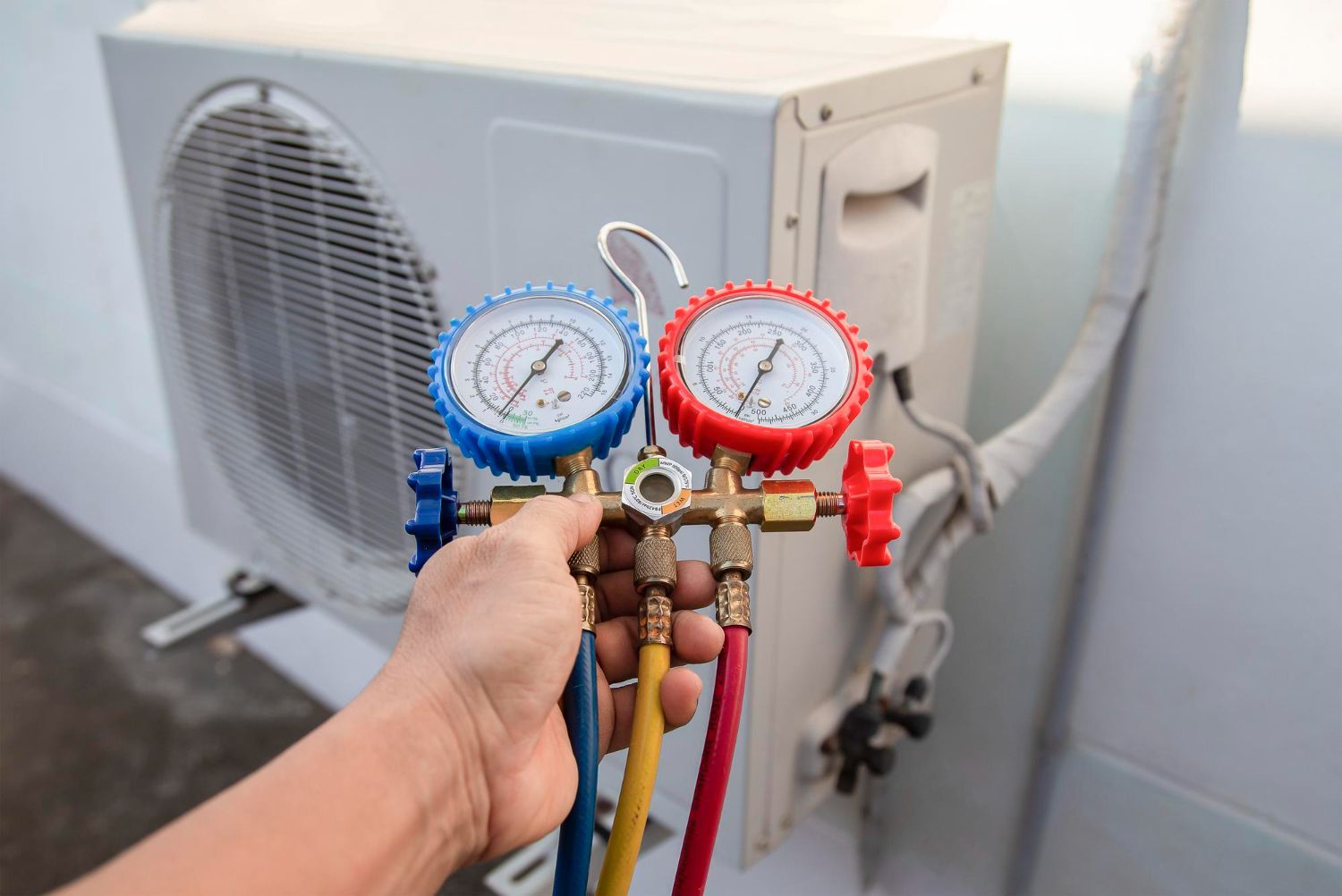
Book seasonal HVAC maintenance to ensure clean coils, proper refrigerant performance, and reliable drainage
If allergies are a major concern, ask about air filtration and humidification upgrades or advanced air filtration systems that can reduce irritants more effectively than standard filters alone.
Breathe Easier This Summer With Help From Lazzaro Gas HVAC
Changing your HVAC filter every 30 days during allergy season is a strong starting point for most Whitby-area homes, but the best schedule depends on your household and your system. If you want cleaner indoor air, more efficient cooling, and fewer surprise breakdowns this summer, Lazzaro Gas HVAC is here to help.
Call Lazzaro Gas HVAC to book HVAC maintenance services or to get a filter and indoor air quality recommendation tailored to your home in Whitby, Oshawa, Ajax, Pickering, Clarington, and across Durham Region.