Summer HVAC Maintenance: Prepare Your System for Heat
The summer season in Whitby brings longer days, fun outdoor activities, and unfortunately, high temperatures. Ensuring your HVAC system is ready for the heat is crucial for maintaining a comfortable home and avoiding costly repairs. Proper summer HVAC maintenance not only keeps your home cool but also extends the lifespan of your system and improves energy efficiency. Here’s how you can prepare your system for the hot months ahead.
Understanding the Importance of Summer HVAC Maintenance
Summer HVAC maintenance is essential for several reasons. Firstly, it ensures your system operates efficiently, which can lead to significant energy savings. A well-maintained system doesn't have to work as hard to cool your home, reducing the wear and tear on its components. Additionally, regular maintenance can help you avoid unexpected breakdowns and costly emergency repairs. By catching potential issues early, you can address them before they become major problems.
Inspect and Replace Air Filters
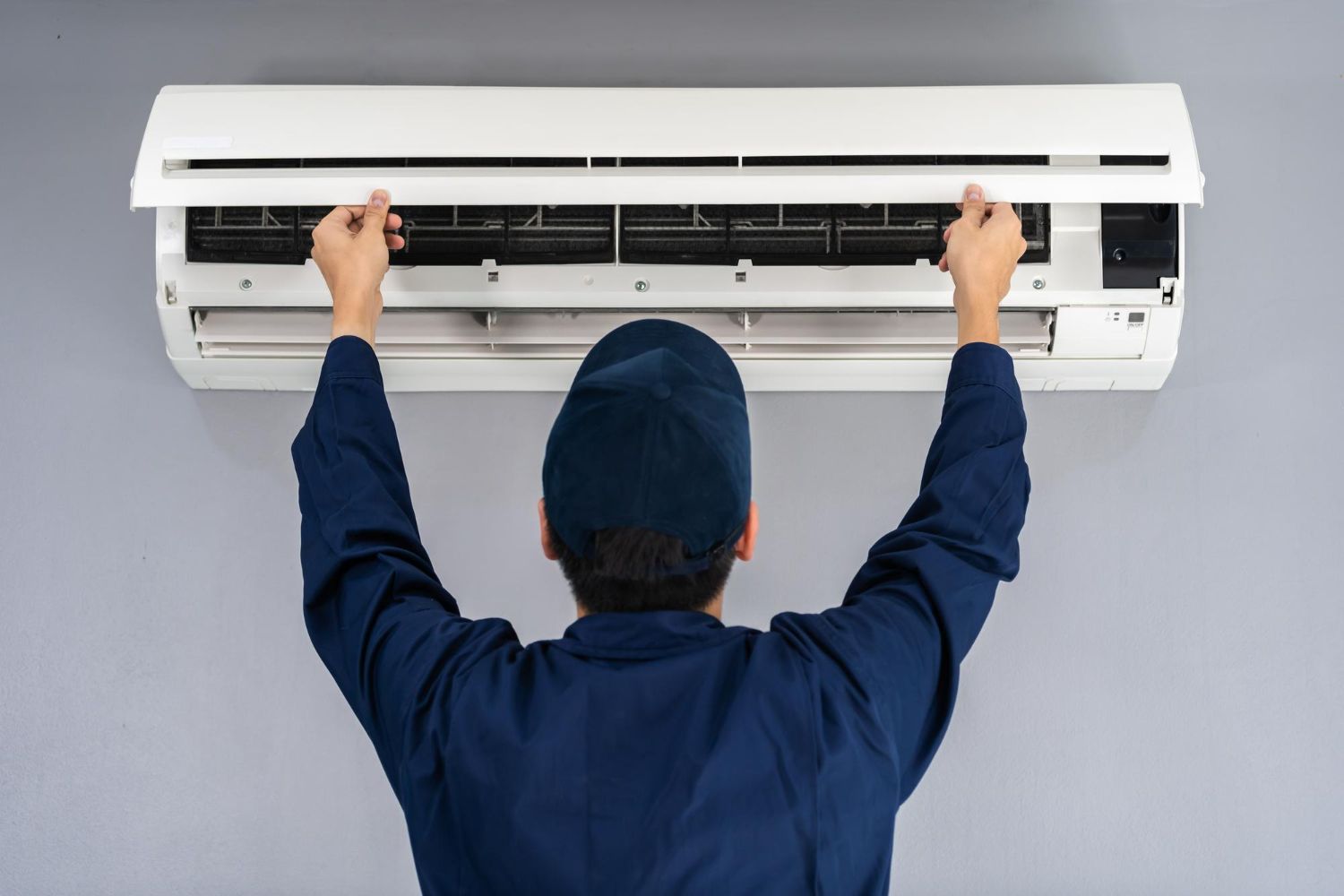
One of the simplest yet most effective steps in summer HVAC maintenance is inspecting and replacing air filters. During the summer, your HVAC system works harder, meaning air filters can become clogged with dust, pollen, and other particles more quickly. Dirty filters not only reduce indoor air quality but also force your system to work harder, increasing energy consumption. Check your filters monthly and replace them at least every three months, or more frequently if needed.
Clean and Clear Around the Outdoor Unit
The outdoor unit of your HVAC system plays a vital role in dissipating heat from your home. Over time, debris such as leaves, grass clippings, and dirt can accumulate around the unit, obstructing airflow and reducing efficiency. Ensure there is at least a two-foot clearance around the unit, and remove any debris that could hinder its performance. Regularly clean the unit with a garden hose to remove dirt from the fins, and avoid using high-pressure washers as they can damage the delicate fins.
Check the Thermostat and Settings
During the summer, you may need to adjust your thermostat settings for optimal performance and energy savings. Consider upgrading to a programmable or smart thermostat, which allows you to set temperature schedules that align with your daily routine. For instance, you can program the thermostat to raise the temperature when you're away from home and lower it when you return. This not only enhances comfort but also reduces energy consumption.
Inspect and Seal Ductwork
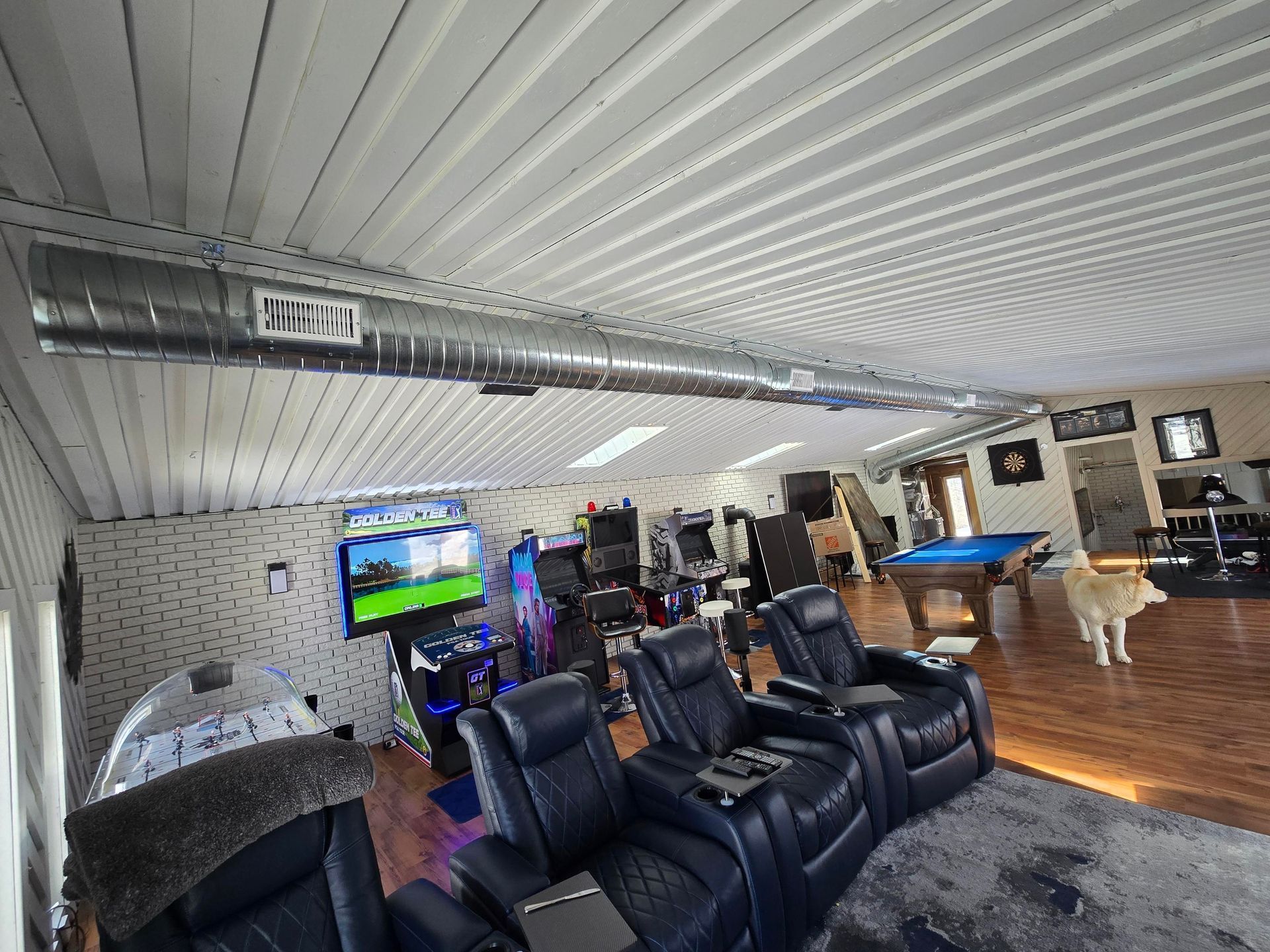
Leaky or poorly insulated ductwork can result in significant energy losses, as cooled air escapes before it reaches your living spaces. Inspect your ductwork for any visible leaks, holes, or disconnected sections. Use mastic sealant or metal tape to seal any gaps, and consider adding insulation to exposed ducts in unconditioned spaces like attics or basements. Properly sealed ductwork improves your system's efficiency and ensures even cooling throughout your home.
Schedule a Professional HVAC Tune-Up
While there are many maintenance tasks you can perform yourself, scheduling a professional HVAC tune-up is essential for comprehensive maintenance. A licensed HVAC technician from Lazzaro Gas HVAC can perform a thorough inspection of your system, checking for any potential issues and ensuring all components are in optimal condition. During a tune-up, the technician will clean the system, lubricate moving parts, test electrical connections, and check refrigerant levels. This professional service not only boosts efficiency but also prevents mid-summer breakdowns.
Check and Clean Air Vents
Blocked or dirty air vents can impede airflow, making it difficult for your system to distribute cool air effectively. Inspect all air vents in your home to ensure they are open and unobstructed by furniture or other objects. Use a vacuum with a brush attachment to clean the vents, removing dust and debris that may have accumulated over time. Keeping vents clean and clear ensures proper airflow and enhances indoor air quality.
Monitor Refrigerant Levels
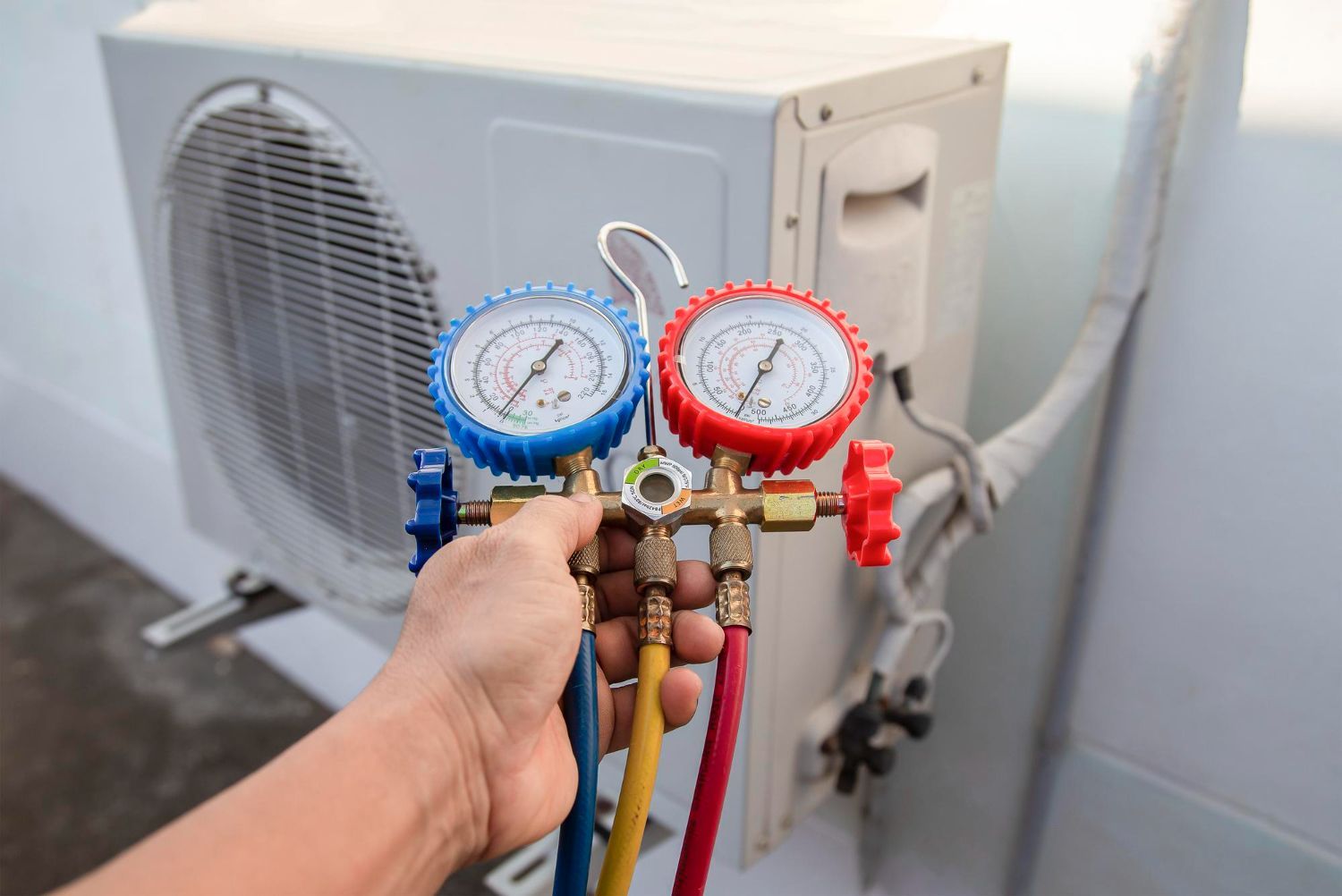
Refrigerant is a crucial component of your HVAC system, responsible for absorbing and releasing heat to cool your home. Low refrigerant levels can lead to inefficient cooling and increased energy usage. If you notice that your system is not cooling effectively or if you see ice forming on the refrigerant lines, there may be a refrigerant issue. Contact a professional technician to check and recharge refrigerant levels if necessary, as handling refrigerant requires specialized knowledge and equipment.
Prepare your HVAC System for Summer Heat
Preparing your HVAC system for the summer heat is essential for comfort, efficiency, and cost savings. By following these maintenance tips and scheduling a professional tune-up, you can ensure your system is ready to handle the demands of the hot months ahead. At Lazzaro Gas HVAC, we are committed to providing top-notch maintenance services that keep your system running smoothly all season long. Contact us today to schedule your summer HVAC tune-up and avoid any disruptions in your home's comfort. Call us at (289) 356-2920 or email lazzarogas@hotmail.com. Enjoy a cool and stress-free summer with Lazzaro Gas HVAC.