The Truth About Commercial HEPA Air Filtration During Allergy Season
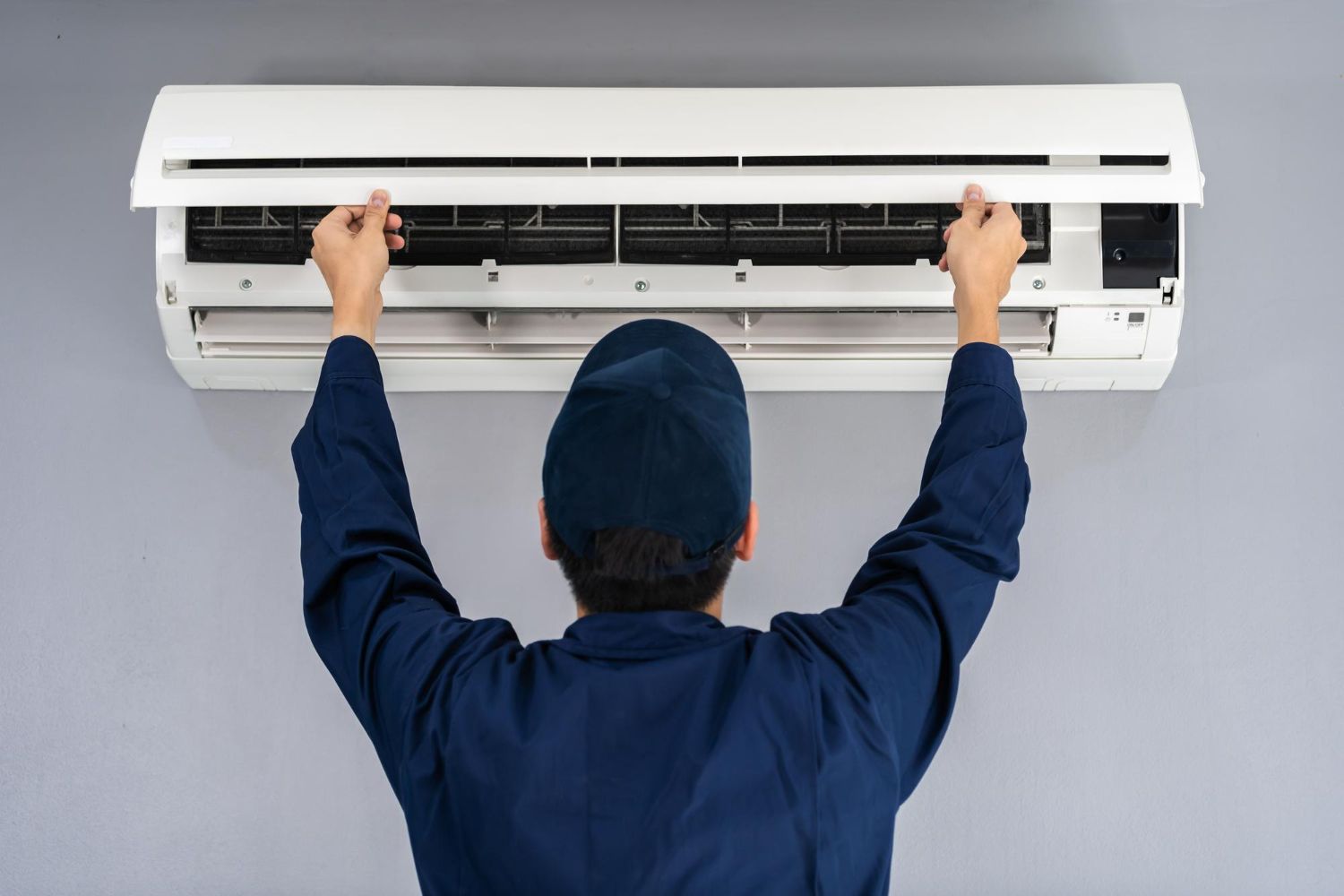
As pollen counts rise, many business owners rush to install high capacity purifiers to protect their staff and customers. Property managers operating in the Downtown Whitby business district often expect these advanced air filtration systems to instantly cure all workplace allergies. At Lazzaro Gas HVAC, we understand the science behind indoor air quality and how commercial ventilation actually operates. We want to provide an honest look at what these units can and cannot accomplish in a large commercial environment.
Adding a heavy filter to an existing duct network fundamentally changes the aerodynamics of your entire building. Believing that a thicker filter automatically equals cleaner air is a common overestimation that leads to massive mechanical failures. Understanding the physical limitations of your blower motor helps you make smart investments in your indoor climate. We are here to separate marketing claims from clinical reality so you can protect your commercial infrastructure.
What You Will Learn Here:
- The Reality of HEPA Filters and Airflow
- Misconceptions About Eliminating Indoor Allergens
- Upgrading Your HVAC Retrofits for Better Filtration
- Frequently Asked Questions
The Reality of HEPA Filters and Airflow
A true HEPA filter is constructed from an incredibly dense mat of fiberglass fibers designed to trap microscopic particles. While this density is excellent for capturing allergens, it acts like a brick wall against the airflow coming from your blower motor.
→ From a professional standpoint: Installing a medical grade filter into a standard commercial rooftop unit will restrict the airflow so severely that the evaporator coil will literally freeze into a block of solid ice.
Misconceptions About Eliminating Indoor Allergens
Many facility managers believe that running a high end purifier will completely eradicate pollen and dust from the building. The clinical truth is that airborne particulates constantly settle onto desks, carpets, and inventory. No filtration system can pull dust off a physical surface once it has landed.
→ A quick tip to remember: Your air quality strategy must include daily physical vacuuming and surface cleaning, as a filter can only capture what is actively floating in the air stream.
It is a pattern the team at Lazzaro Gas HVAC hears regularly when businesses want effective climate control solutions.
►Client Experience: Clarke Dance Productions shares "Amazing and thorough service! Highly recommend. Will definitely be keeping his number handy for future HVAC issues. He was quick to respond to our needs, professional and personable."
Having a professional correctly diagnose and improve your indoor environment ensures you get the exact results you paid for, as the team at Clarke Dance Productions discovered.
Upgrading Your HVAC Retrofits for Better Filtration
If you want to implement hospital grade filtration, you cannot simply slide a new filter into an old slot. Proper HVAC retrofits involve physically modifying the ductwork to accommodate external bypass purification systems. These specialized bypass units pull a small portion of air out of the main duct, scrub it through a thick media cabinet, and return it to the air stream without choking the primary blower motor.
→ From a professional standpoint: An electronic air cleaner or an active ionization unit provides superior particulate removal without adding dangerous static pressure to your existing ductwork.
Frequently Asked Questions
What is the difference between MERV and HEPA filters?
MERV stands for Minimum Efficiency Reporting Value and measures a filter on a scale from one to sixteen. A standard commercial building typically requires an eight to thirteen MERV rating to balance air quality with motor efficiency. A HEPA filter exceeds the MERV scale entirely and captures particles as small as zero point three microns, but requires a massive, specialized industrial fan to push air through its dense fibers.
Do UV lights in HVAC systems actually kill bacteria?
Yes, ultraviolet germicidal irradiation is highly effective at destroying the DNA of bacteria and mold spores. However, the UV light must be installed directly over the wet evaporator coil to prevent biological growth inside the dark, damp cabinet. Placing a UV light inside a fast moving air duct is largely ineffective because the pathogens speed past the light bulb too quickly to be neutralized.
How does poor airflow affect air purifier efficiency?
An air purifier relies entirely on the volume of air circulating through the room to capture contaminants. If your ductwork is poorly designed or your blower motor is failing, the stagnant air in the corners of the office will never reach the filtration cabinet. You must have a balanced ventilation system with proper supply and return vents to continuously cycle the dirty air toward the cleaning mechanism.
Achieving Realistic Indoor Air Quality
Protecting your employees from seasonal allergens requires a balanced approach to ventilation and filtration. Recognizing the physical limits of your rooftop units prevents you from causing catastrophic damage to the blower motors. Contact our commercial estimating team today to discuss clinical air quality options that actually fit your building.