How to Maintain Energy Efficiency After a Variable-Speed HVAC Retrofit
Investing in a new heating and cooling system promises lower utility bills and superior home comfort. However, a high tech system will quickly revert to poor performance if it is not maintained correctly. At Lazzaro Gas HVAC, we help homeowners protect the efficiency of the HVAC retrofits Whitby properties require. Upgrading to a variable speed system introduces advanced computer components that demand clinical attention to operate properly.
A modern variable speed motor behaves very differently than an old single stage blower. It constantly monitors air resistance and adjusts its output to provide perfect temperature control. We have organized specific clinical rules to help you care for this advanced technology. Adhering to these numbered tips ensures your energy savings remain high and your mechanical components last for decades.
Key Areas Covered
- Tip 1: Understand Static Pressure And Airflow
- Tip 2: Upgrade Your Filtration Standards
- Tip 3: Calibrate The Communicating Thermostat
- Tip 4: Schedule Clinical Performance Diagnostics
- Frequently Asked Questions
Tip 1: Understand Static Pressure And Airflow
A variable speed motor is programmed to push a precise amount of air through your ductwork. If the air channels are blocked, the motor will automatically spin faster and use more electricity to overcome the resistance.
- Ensure Open Registers: Keep all supply and return vents completely unobstructed by furniture or heavy rugs to maintain a balanced airflow.
- Avoid Closing Zones: Never close the vent dampers in unused bedrooms, as this creates massive static pressure that actively damages the blower motor.
- Clean The Ductwork: Consider professional duct cleaning to remove years of dust that can restrict the free movement of air through the system.
Tip 2: Upgrade Your Filtration Standards
The air filter is the only line of defense for the sensitive electronic sensors inside your new retrofitted cabinet. Using the wrong filter material will choke the system and cause it to overheat.
- Select Pleated Media: Use high quality pleated filters with an appropriate MERV rating to trap microscopic dust without severely restricting the airflow.
- Check Monthly: Inspect the filter every thirty days, as a modern system running at a low speed constantly circulates air and captures debris much faster.
- Avoid Washable Filters: Discard cheap washable filters, because they lack the clinical density required to protect the delicate indoor evaporator coil.
Tip 3: Calibrate The Communicating Thermostat
Modern retrofits often pair a variable speed motor with a proprietary communicating thermostat. This smart device acts as the brain of the operation, sending complex data signals to the control board.
- Maintain Steady Settings: Avoid extreme temperature adjustments, as the system is designed to gently cruise at a consistent setting for maximum efficiency.
- Check Wi-Fi Connections: Keep the thermostat connected to your home network so it can receive automated firmware updates from the manufacturer.
- Trust The Algorithm: Allow the thermostat to utilize its learning algorithm to calculate the most efficient ramp up speeds for your specific floor plan.
Tip 4: Schedule Clinical Performance Diagnostics
Superficial wipe downs will not keep a computerized heating system operating at peak efficiency. The equipment requires advanced diagnostic testing to verify that the sensors are reporting accurate data.
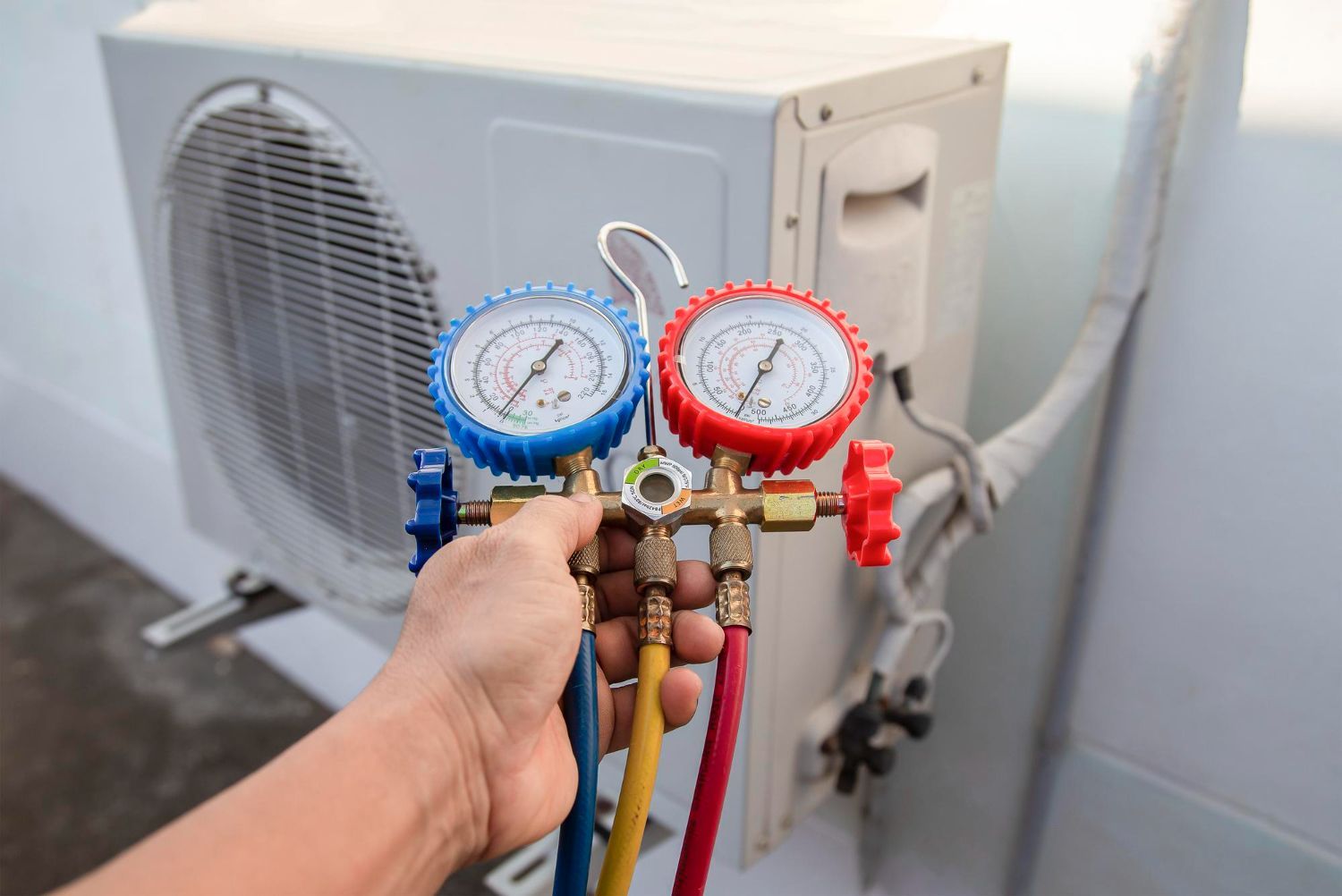
- Test Amp Draws: A technician must measure the electrical draw of the variable speed motor to ensure it is not fighting invisible ductwork restrictions.
- Verify Temperature Drops: Clinical testing calculates the exact temperature difference between the supply and return air to confirm proper refrigerant or gas performance.
- Inspect The Condensate: The technician must clear the internal condensate traps, as variable speed units produce significant moisture during long, low capacity run cycles.
Frequently Asked Questions
Does a variable speed furnace run all the time?
Yes, a variable speed system is designed to run almost continuously at a very low, quiet speed. Instead of blasting your house with intense heat and shutting off, it gently circulates the air to eliminate hot and cold spots. This continuous low speed operation consumes significantly less electricity than a traditional motor constantly starting and stopping.
How do technicians measure static pressure?
A licensed technician measures static pressure by drilling small test ports into the supply and return ductwork near the equipment cabinet. They insert a clinical digital manometer into these ports to read the exact air resistance in inches of water column. High static pressure tells the technician that the ductwork is undersized, the filter is too restrictive, or the evaporator coil is clogged with debris.
Why is my new furnace running longer than the old one?
Your new system runs longer by design to maximize fuel efficiency and improve indoor air quality. By operating at a lower capacity for extended periods, it pulls more humidity out of the air during the summer and provides exceptionally even heat during the winter. This extended cycle time is the primary reason your new equipment lowers your monthly utility bills.
Protecting Your Retrofit Investment
Securing the benefits of a modern HVAC upgrade requires an ongoing commitment to proper airflow and clinical diagnostics. By keeping vents open and changing filters religiously, you protect the sophisticated computer components inside your unit. Contact our technical support team today to schedule an advanced performance evaluation and keep your savings secure.