Structural Checks For A Safe Pre-Holiday Gas Range Installation
Upgrading your kitchen appliances right before the holiday season requires exact mechanical planning to ensure total safety. Rushing to connect a massive new stove often exposes older pipes to dangerous pressure loads and hidden leaks. The technicians at Lazzaro Gas HVAC frequently correct improper connections caused by hasty appliance swaps in residential kitchens. Securing your cooking space means evaluating the entire fuel delivery system long before the heavy holiday cooking actually begins.
A reliable setup demands strict adherence to local fuel codes to prevent invisible hazards from developing behind your new cabinetry. Modern stoves carry much higher thermal outputs than older models and require specific venting and fuel volumes to operate correctly. We outline the exact physical requirements your kitchen needs to safely support high output cooking equipment. Understanding these mechanical parameters protects your property from sudden leaks and dangerous combustion issues.
Review these installation requirements
- Fuel line sizing: Matching supply to appliance demand
- Shut off accessibility: Ensuring rapid emergency response
- Proper venting: Removing harmful combustion gases
- Frequently Asked Questions.
Fuel Line Sizing For Gas Range Installation
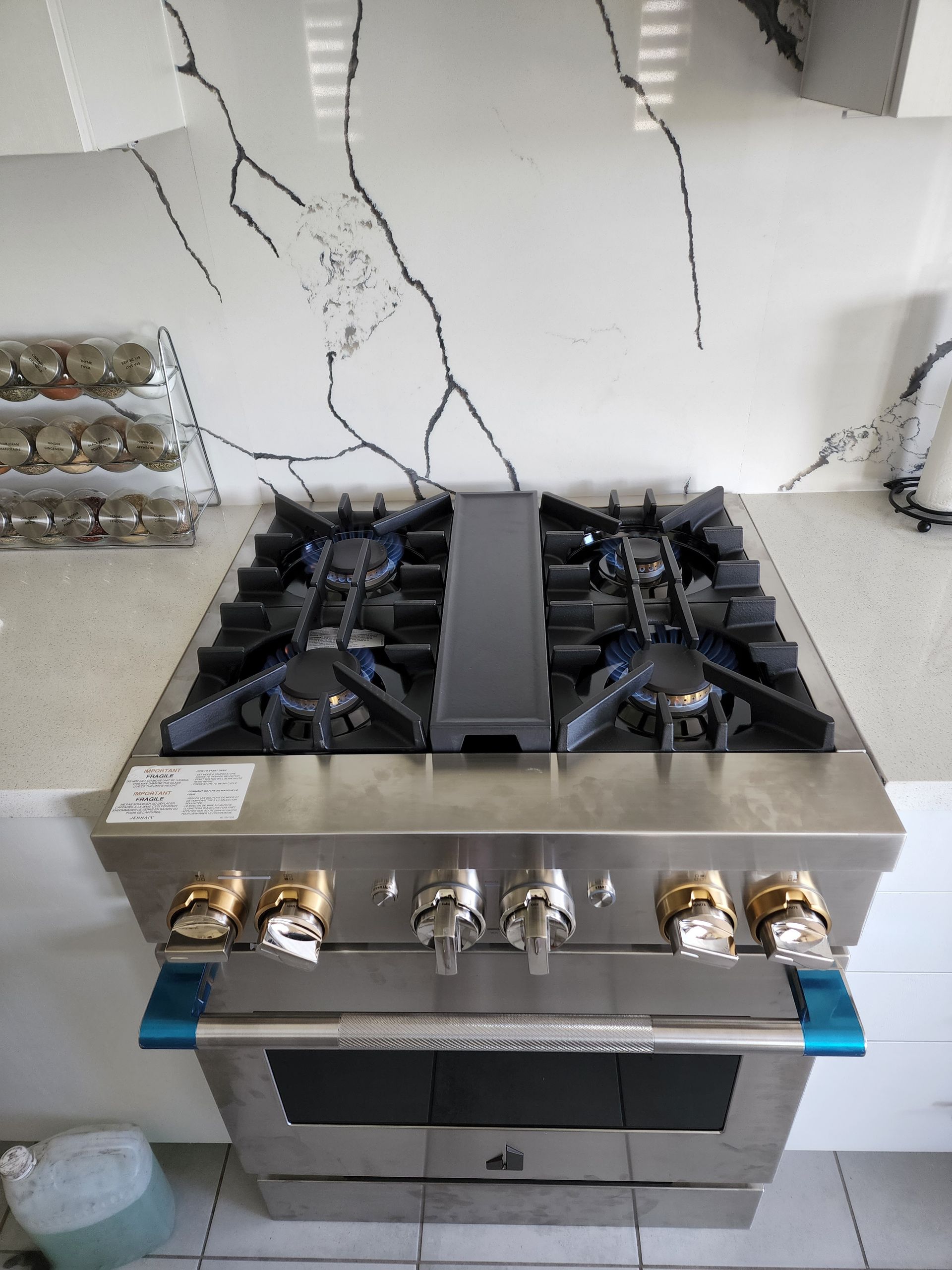
Homeowners purchasing commercial grade stoves constantly ask what are the requirements for installing a gas stove safely. The most critical factor is the physical diameter of the supply pipe running from your meter to the kitchen. Forcing a massive six burner appliance to run on a narrow half inch line starves the burners of fuel and creates highly inconsistent heating. Our licensed technicians calculate the total cubic feet per hour required by the new unit and upgrade the steel or corrugated stainless steel tubing to match the exact appliance specifications.
Applying the correct thread sealant also prevents microscopic leaks from forming over time. Using standard white plumbing tape on fuel lines creates an immediate hazard because the chemical additives in natural gas dissolve standard tape. We use specialized yellow teflon tape and heavy duty pipe dope designed specifically to withstand high pressure fuel applications. This meticulous attention to detail ensures your kitchen remains safe for decades.
Shut Off Accessibility
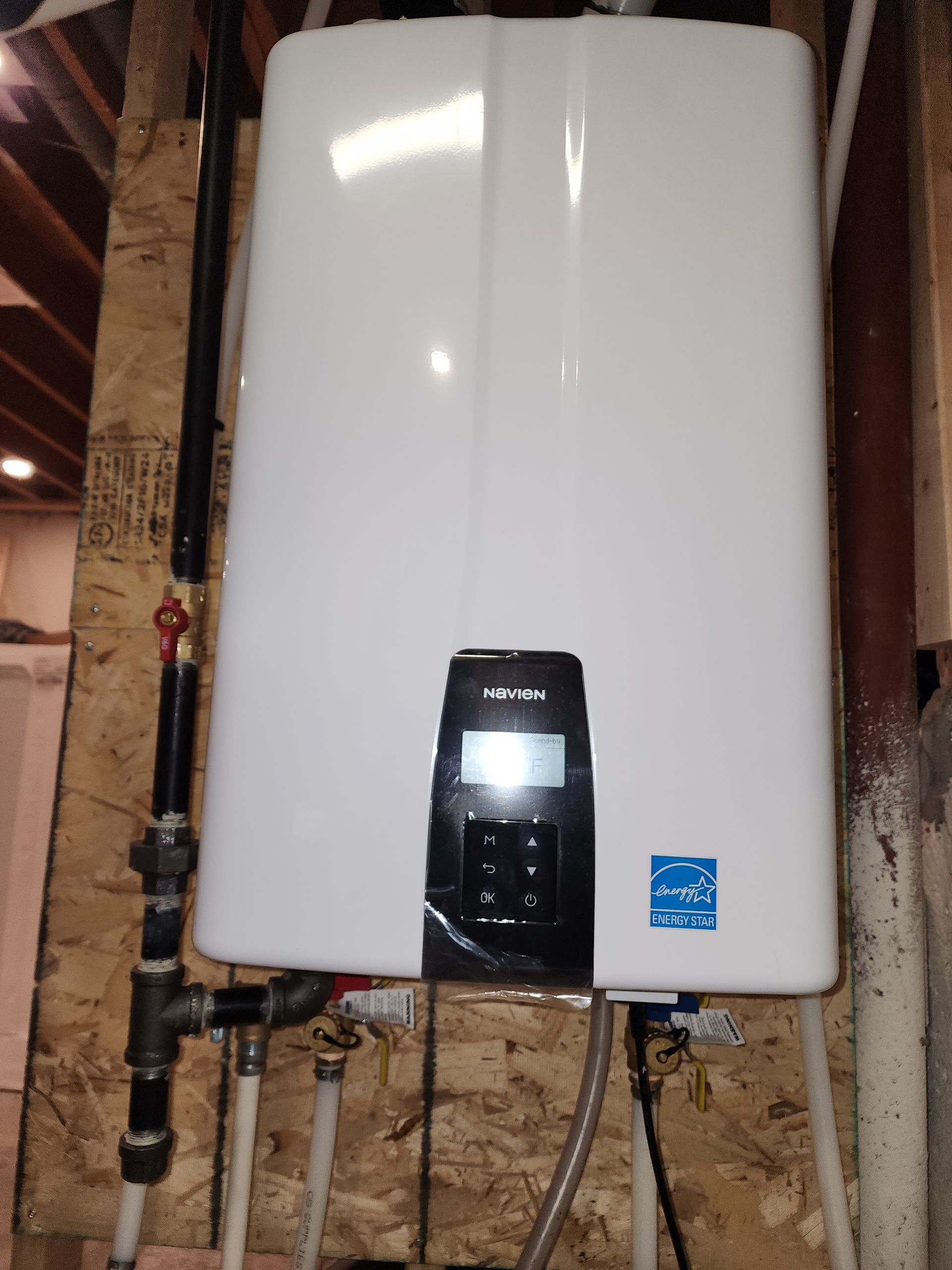
A major safety requirement for any indoor fuel appliance involves the placement of the emergency isolation valve. Building codes in Oshawa and Whitby dictate that the shut off valve must sit within arm reach of the appliance without requiring you to move the heavy stove. We install easily accessible quarter turn ball valves that allow you to kill the fuel supply instantly if you ever smell mercaptan in the kitchen. We also secure anti tip brackets to the floor to prevent the heavy stove from tipping forward and snapping the fuel line if someone leans on the open oven door.
Proper equipment positioning requires careful attention to the existing infrastructure.
► Client Experience: "Came one day to disconnect the gas line and returned later to reconnect the gas line to the new dryer. Gabe went above and beyond what he was hired to do and we truly appreciated his help and expertise."
Peggy P illustrates the importance of relying on a dedicated professional to handle fuel line disconnections and reconnections safely.
Proper Venting Solutions
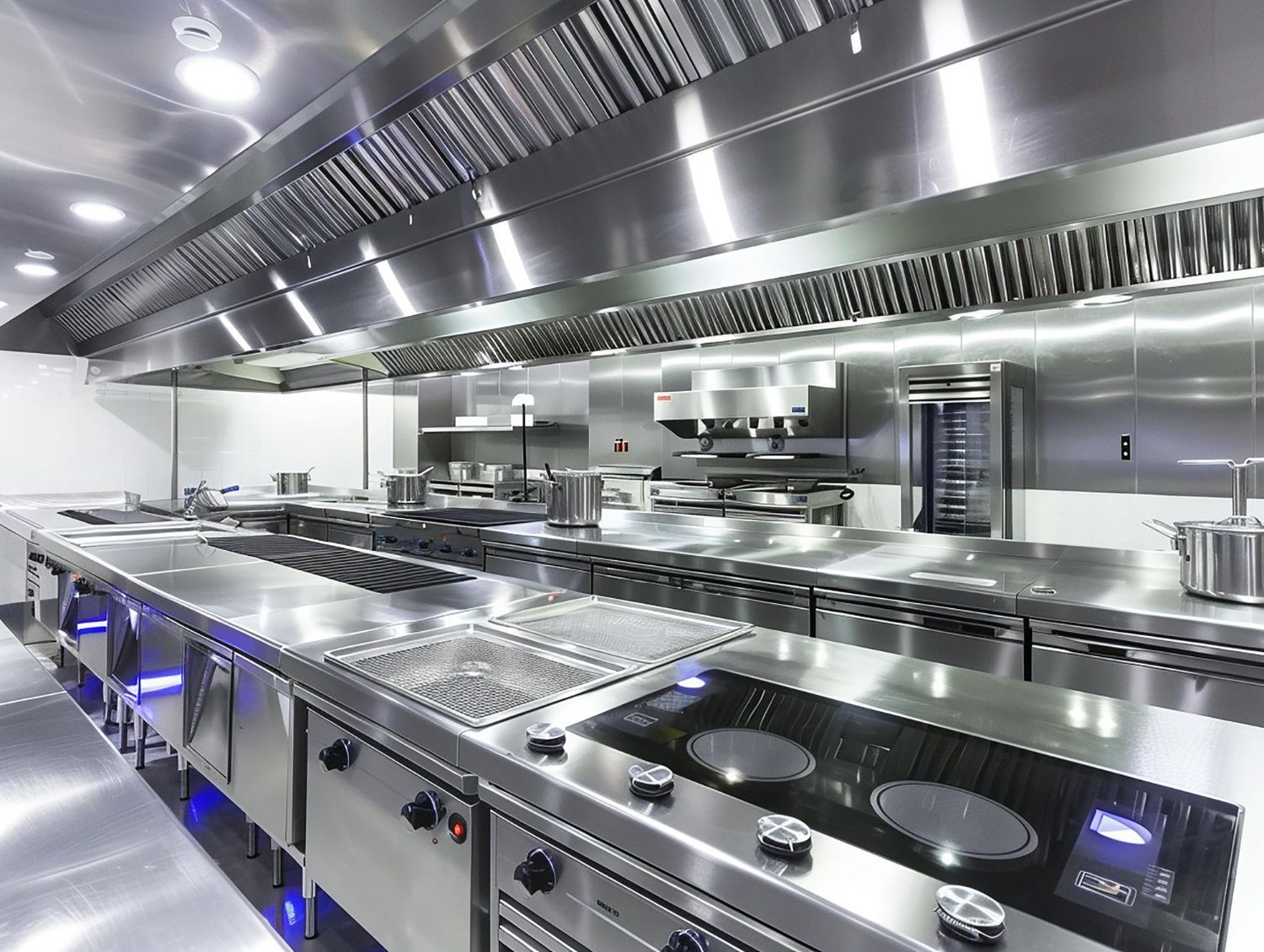
Running a high output cooktop generates significant amounts of carbon monoxide and moisture that must exit the home immediately. Relying on an outdated recirculating fan simply pushes toxic byproducts back into your breathing space. We verify that your kitchen exhaust hood vents directly to the exterior of the house and pulls enough cubic feet per minute to handle the heat load. We also provide commercial HVAC for restaurant kitchens if your property requires heavy duty makeup air units.
Frequently Asked Questions
Can I use flexible yellow gas line behind the stove?
Flexible appliance connectors are permitted for the final connection to the stove but they must never pass through walls or floors to reach the main supply pipe.
Do I need a new regulator for my new stove?
Most modern residential stoves feature built in regulators but we always test the incoming line pressure to ensure it falls within the safe operating range for your specific unit.
Why does my new oven smell funny when I first turn it on?
Manufacturers coat the internal oven components with protective oils that burn off during the first few uses so running an empty cycle with the windows open clears out the initial odour.
Securing Your Holiday Kitchen
A professional installation guarantees your new cooking equipment performs safely during heavy holiday usage. Relying on certified gas technicians protects your home from hidden leaks and costly code violations. Contact our office today to schedule your appliance hookup before the winter holidays arrive.