Why Commercial Rooftop HVAC Units Need Winterization Before the Freeze
Managing a commercial property means staying one step ahead of the changing seasons. The equipment sitting exposed on your roof takes a brutal beating from freezing rain and heavy snow loads. At Lazzaro Gas HVAC, we urge property managers along the Taunton Road commercial corridor to prep their systems before the cold weather permanently sets in. Ignoring the winterization process for your rooftop HVAC units Whitby buildings rely on leads to frozen coils, cracked heat exchangers, and massive energy waste.
Commercial systems involve exposed ductwork, drain lines, and fresh air dampers that must be secured against the elements. Waiting until December to address these vulnerabilities guarantees you will be paying for emergency repairs. We have structured a clear action plan to help you secure your rooftop infrastructure right now. Following these sequential stages protects your capital investment and keeps your tenants comfortable.
Action Plan for Rooftop Protection:
- Stage 1: Assess Roof and Equipment Integrity
- Stage 2: Schedule the Winterization Service
- Stage 3: Protect Exposed Components from Freezing
- Frequently Asked Questions
Stage 1: Assess Roof and Equipment Integrity
Before the snow covers the roof deck, you must perform a visual inspection of your mechanical footprint. Spotting physical damage now gives you time to order replacement parts.
- Inspect the Cabinet Panels: Check all the metal access doors on the rooftop unit to ensure all screws are tightly fastened and the weather stripping is intact.
- Examine the Gas Piping: Look closely at the exterior gas lines feeding the heating section to spot any peeling yellow paint or signs of severe rust.
- Clear the Drainage Paths: Remove all wet leaves and dirt from around the unit base to prevent water from pooling and freezing against the bottom of the equipment.
Stage 2: Schedule the Winterization Service
With the visual checks complete, you must bring in a licensed contractor to perform the technical adjustments. Service calendars fill up rapidly as facility managers scramble to prepare for the cold.
- Book the Heating Inspection: Call your commercial HVAC provider to test the burners, calibrate the gas pressure, and inspect the heat exchanger for hairline cracks.
- Calibrate the Economizer: Have the technician adjust the fresh air dampers so they do not pull excessive amounts of freezing outside air into the building.
- Secure Your Date: Lock in a service day immediately, as freezing rain makes rooftop access incredibly dangerous for technicians.
► Your most critical action is securing your maintenance appointment before November, as heavy ice accumulation makes it impossible to safely remove the access panels on a commercial unit.
Stage 3: Protect Exposed Components from Freezing
The final step involves insulating the vulnerable parts of the system that sit outside the heated building envelope. Proper insulation stops heat loss and prevents water from turning to ice.
- Wrap the Condensate Lines: Ensure the PVC condensate drain lines are wrapped with heavy foam insulation to prevent residual water from freezing and cracking the plastic.
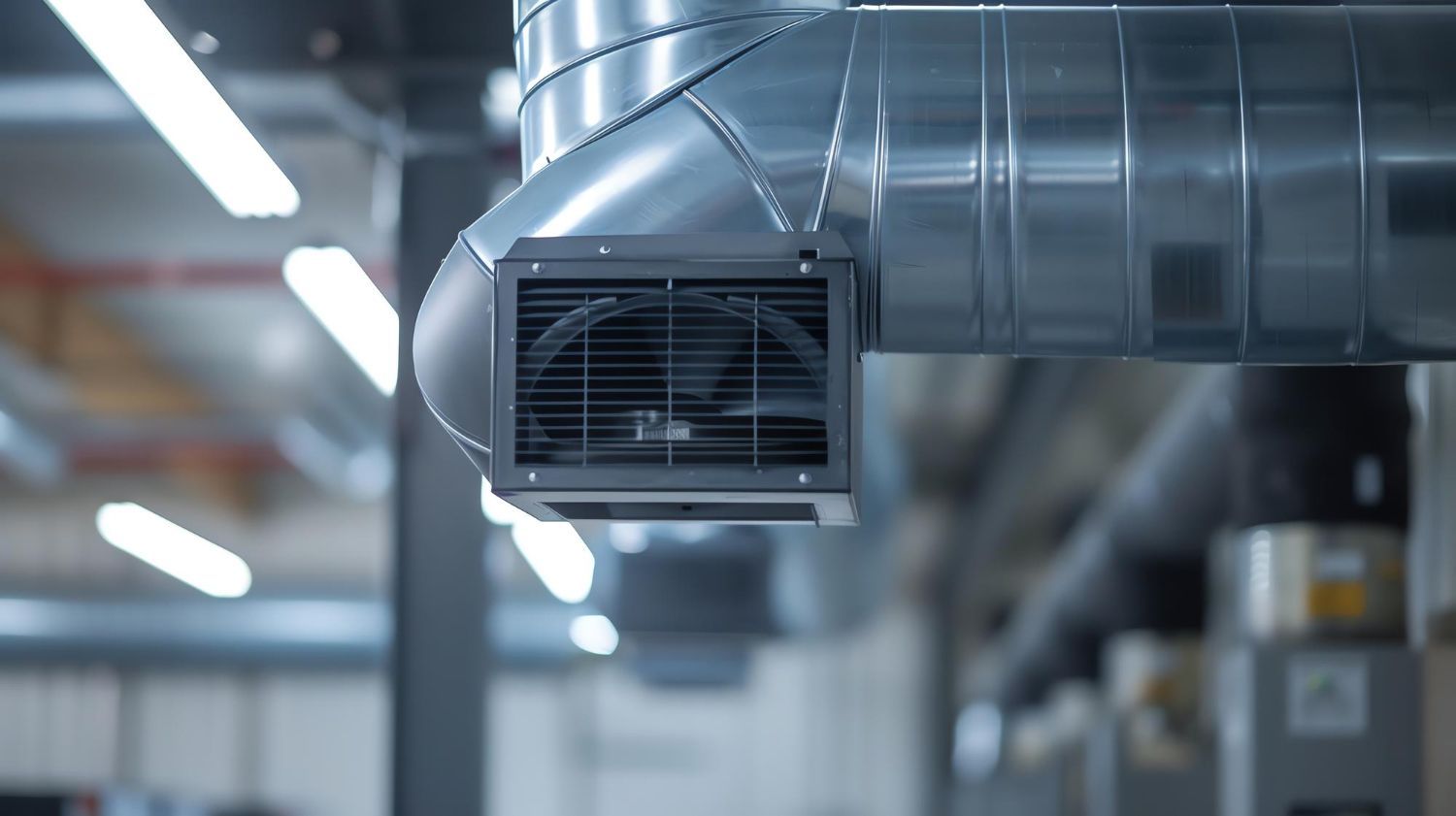
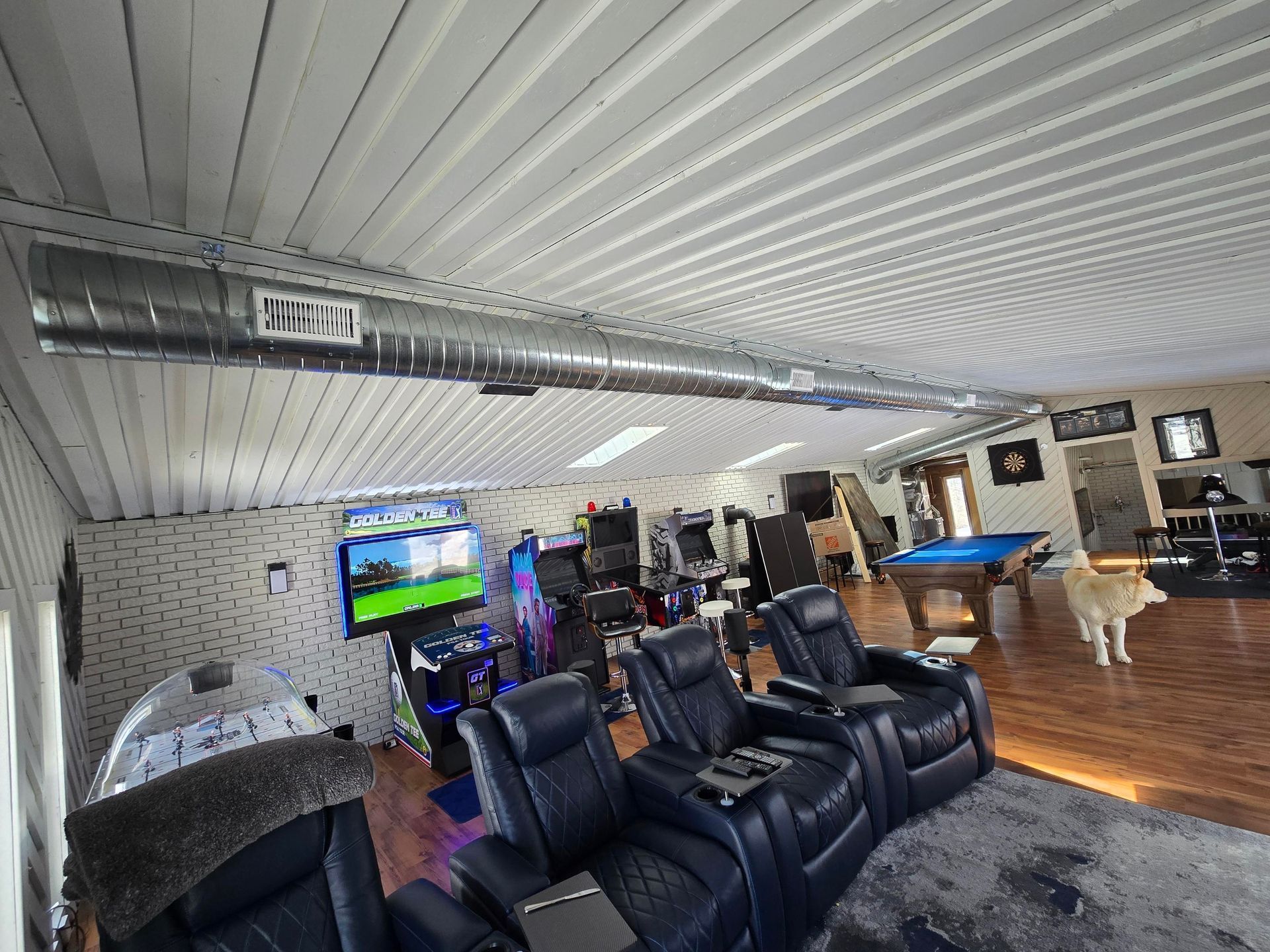
- Seal the Ductwork: Apply fresh mastic sealant to the joints of any exposed exterior ductwork to stop expensive heated air from blowing out onto the roof.
- Check the Curb Flashing: Verify the metal flashing around the roof curb is completely watertight to stop melting snow from dripping down into the drop ceilings.
It is a pattern the team at Lazzaro Gas HVAC hears regularly when providing dependable commercial solutions to local businesses.
►Client Experience: La Marca Info team shares "Excellent work, very kind and professional would highly recommend to anyone looking for a reliable HVAC technician!!!!"
Delivering thorough and professional care is why the La Marca Info team trusts us with their climate control requirements.
Frequently Asked Questions
How much energy is lost through unsealed commercial ductwork?
Unsealed exterior ductwork on a commercial roof can leak between twenty and thirty percent of the conditioned air before it even enters the building. This massive thermal loss forces the burners to run continuously just to maintain a baseline temperature inside the office space. Sealing these hidden leaks is the fastest way to drop your winter heating bills.
What is static pressure in an HVAC system?
Static pressure is the resistance to airflow inside the ductwork, similar to blood pressure in the human body. High static pressure means the blower motor is struggling to push air through dirty filters or closed dampers. Low static pressure often points to a massive hole or disconnected joint in the ductwork where the air is freely escaping.
How do professionals seal external rooftop ducts?
Professionals seal exterior ducts using a thick, fiberglass reinforced mastic paste that expands and contracts with the metal during extreme temperature swings. Standard hardware store duct tape dries out and peels off within a single winter. Once the mastic cures, the duct is wrapped in a thick layer of foil backed insulation to prevent thermal heat loss into the cold ambient air.
Locking Down Your Winter Readiness
Protecting your rooftop equipment from harsh weather requires a proactive and clinical approach. By sealing the ductwork and testing the heating components now, you avoid catastrophic shutdowns during business hours. Contact our commercial service division today to get your rooftop infrastructure fully winterized.